
PBass Orinoco
Cichla orinocensis
Description
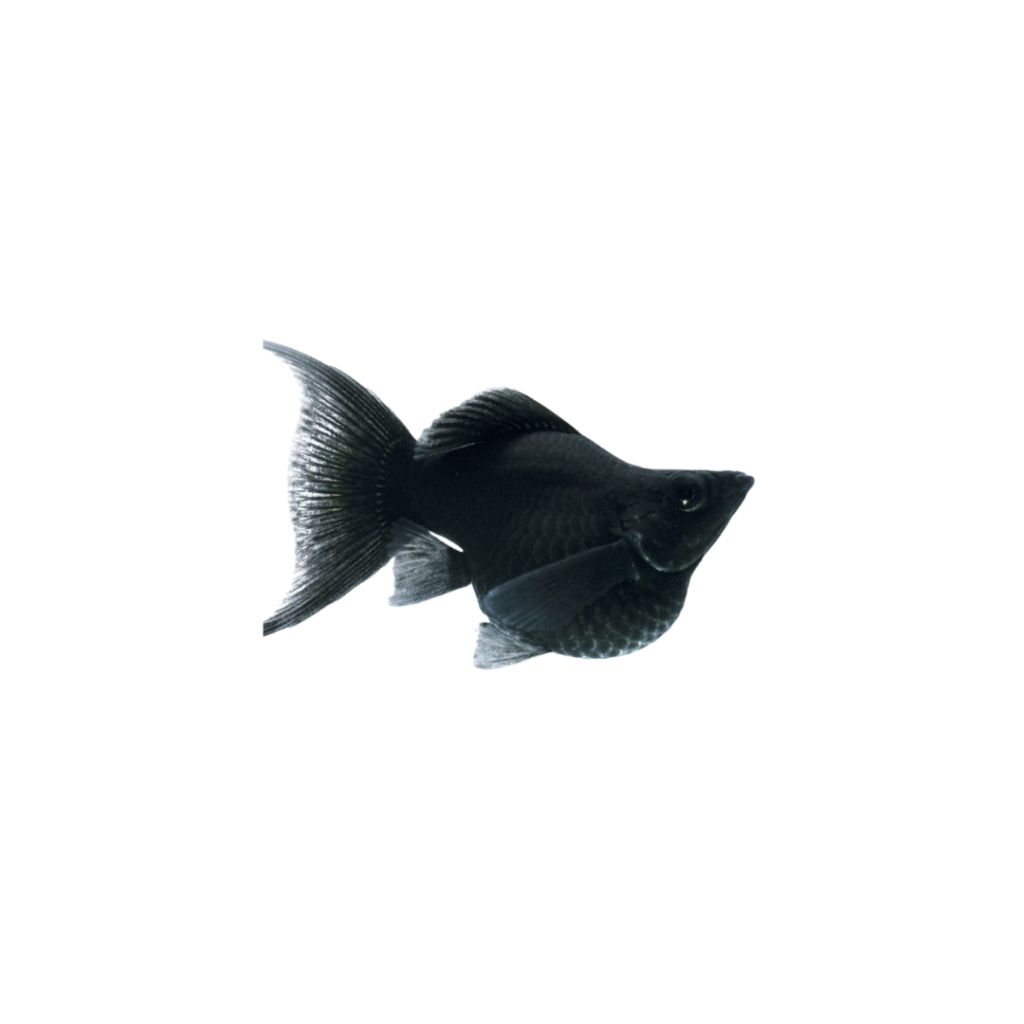
The PBass Orinoco, also known as the Orinoco Peacock Bass, is one of the most colorful and impressive species of peacock bass, renowned for its vibrant markings and predatory behavior. This species typically has a yellowish-green body, decorated with bold, dark vertical stripes, often with a contrasting red or orange hue along the edges of the fins. The tail fin and dorsal fin may have a bright orange or red coloration, which becomes even more vivid when the fish is excited or during mating displays.
Habitat Origin
The PBass Orinoco is native to the Orinoco River Basin in South America, particularly in Venezuela and Colombia. This species inhabits slow-moving rivers, lakes, and flooded areas, where it can find an abundance of food. The Orinoco River is known for its warm waters, which are ideal for the PBass Orinoco, and the fish is well-adapted to live in areas with vegetation and rocky substrates. In the wild, these fish are solitary hunters, often hiding among submerged structures or vegetation before ambushing their prey.
Aquarium
Ideal Number in Aquarium: PBass Orinoco should be kept alone or with other large, aggressive fish. They are highly territorial and will not do well in community tanks with smaller or peaceful species.
Favorite Food
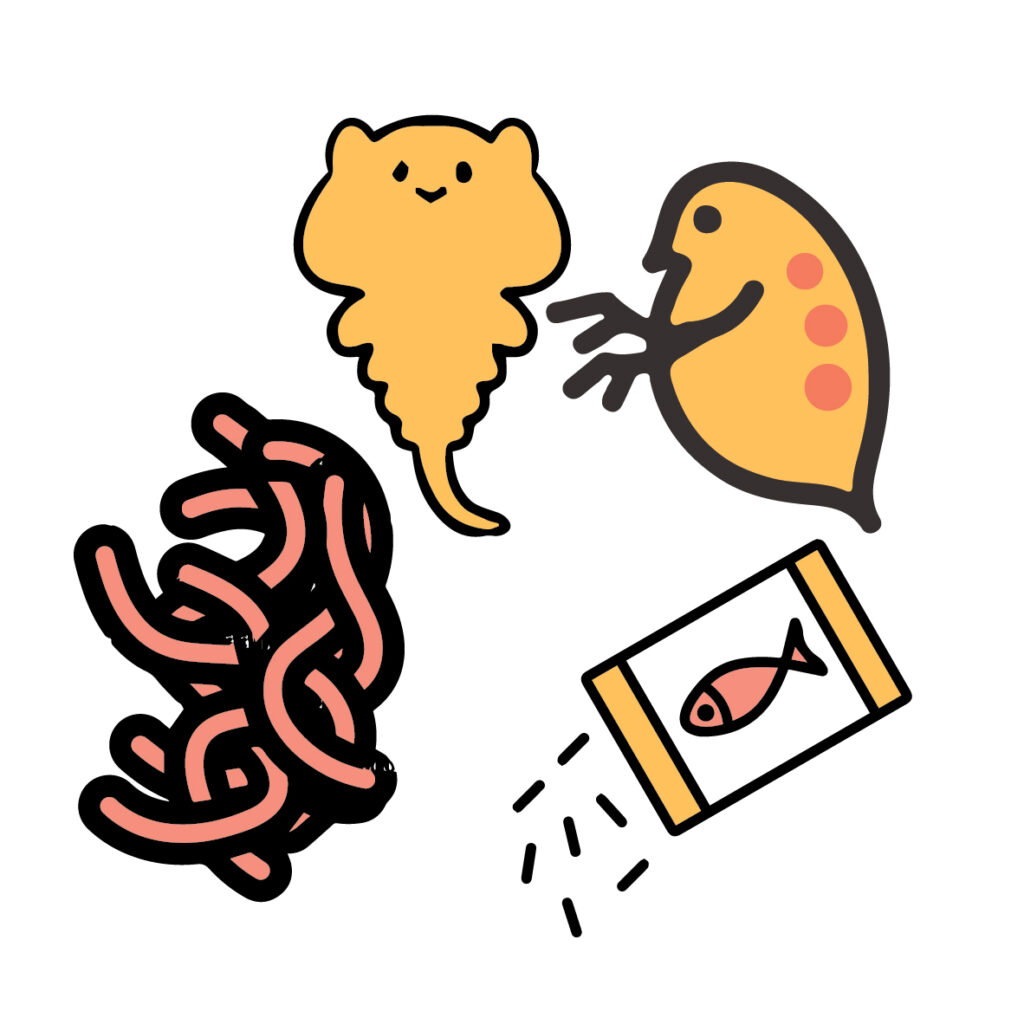
The PBass Orinoco is a carnivorous predator and prefers a high-protein diet. In captivity, they can be fed live or frozen foods such as feeder fish, brine shrimp, bloodworms, and mysis shrimp. They may also accept high-quality pellets or cichlid food designed for larger carnivorous species. It is important to ensure that the fish receives a varied diet to meet its nutritional needs and maintain its health.
Behavior:
PBass Orinoco are known for their aggressive and territorial nature. They will actively patrol their environment and may become aggressive towards tankmates, especially during feeding times or when defending their territory. These fish are active swimmers and need plenty of space to roam, as well as hiding spots to provide them with a sense of security.
Special Care:
PBass Orinoco require stable, clean water to thrive, and a strong filtration system is necessary to handle the waste load produced by such large, active fish. Regular water changes (at least 25-30% weekly) are essential to maintain a healthy environment. Since they are carnivores, it is crucial to feed them a varied diet that replicates their natural hunting habits. Live foods can help stimulate their natural instincts, and feeding them a high-quality diet will also promote their health and vibrant colors.
Compatibility with Other Fish:
PBass Orinoco are best kept alone or with other large, aggressive fish that can tolerate their predatory behavior. Potential tankmates include Arowanas, larger cichlids, catfish, and other robust species that can withstand their aggression. Smaller fish will likely be viewed as prey and should be avoided. When housed with other fish, ensure the aquarium is large enough to accommodate their territorial needs and allow each fish to establish its own space.
Breeding Tank Setup
A separate breeding tank is essential for PBass Orinoco to provide a safe and controllable environment. A 75–100 gallon tank is recommended to accommodate their large size and active breeding behavior. Maintain water parameters at pH 6.5–7.5, temperature 26–30°C, and hardness between 5–12 dGH. Use a strong canister or biofilter with moderate flow to maintain high water quality without disturbing the fish. A bare-bottom or sandy substrate with rocks or driftwood provides a natural setting and supports egg attachment.
Conditioning for Breeding
To prepare PBass Orinoco for breeding, feed them a varied, protein-rich diet consisting of live feeder fish, shrimp, worms, insects, high-quality pellets, and frozen foods. This nutritional boost helps induce spawning readiness. Simulate the rainy season by increasing water changes (20–30% weekly or more), which can help trigger spawning behavior by mimicking natural environmental shifts.
Spawning Process
Spawning generally takes place in spring or early summer, often during early morning or evening when temperatures rise. A healthy female can lay 2,000–5,000 adhesive eggs that attach to surfaces like rocks or tank decorations. Both parents usually guard the eggs, but it’s advised to remove them afterward to prevent predation or stress on the eggs. Maintaining calm conditions during this period is essential for successful fertilization and embryo development.
Fry Care & Feeding
Eggs hatch within 4–6 days depending on temperature. Initially fragile and transparent, the fry begin free-swimming once their yolk sacs are absorbed. Start feeding them infusoria, liquid fry food, or baby brine shrimp. As they grow, introduce finely crushed pellets and micro-worms to support their development. Daily water changes of 10–20% are crucial to keep ammonia and nitrite levels low and ensure a stable, healthy environment.
Additional Notes on Breeding
PBass Orinoco reach sexual maturity around 2–3 years. Males are more colorful and show aggressive courtship behavior during breeding, while females appear rounder when carrying eggs. To prevent stress-induced spawning failure, avoid rapid water changes, incompatible tankmates, and unstable tank conditions. A peaceful, well-maintained environment is key to supporting successful reproduction and healthy fry growth.