
Koi Showa
Cyprinus carpio
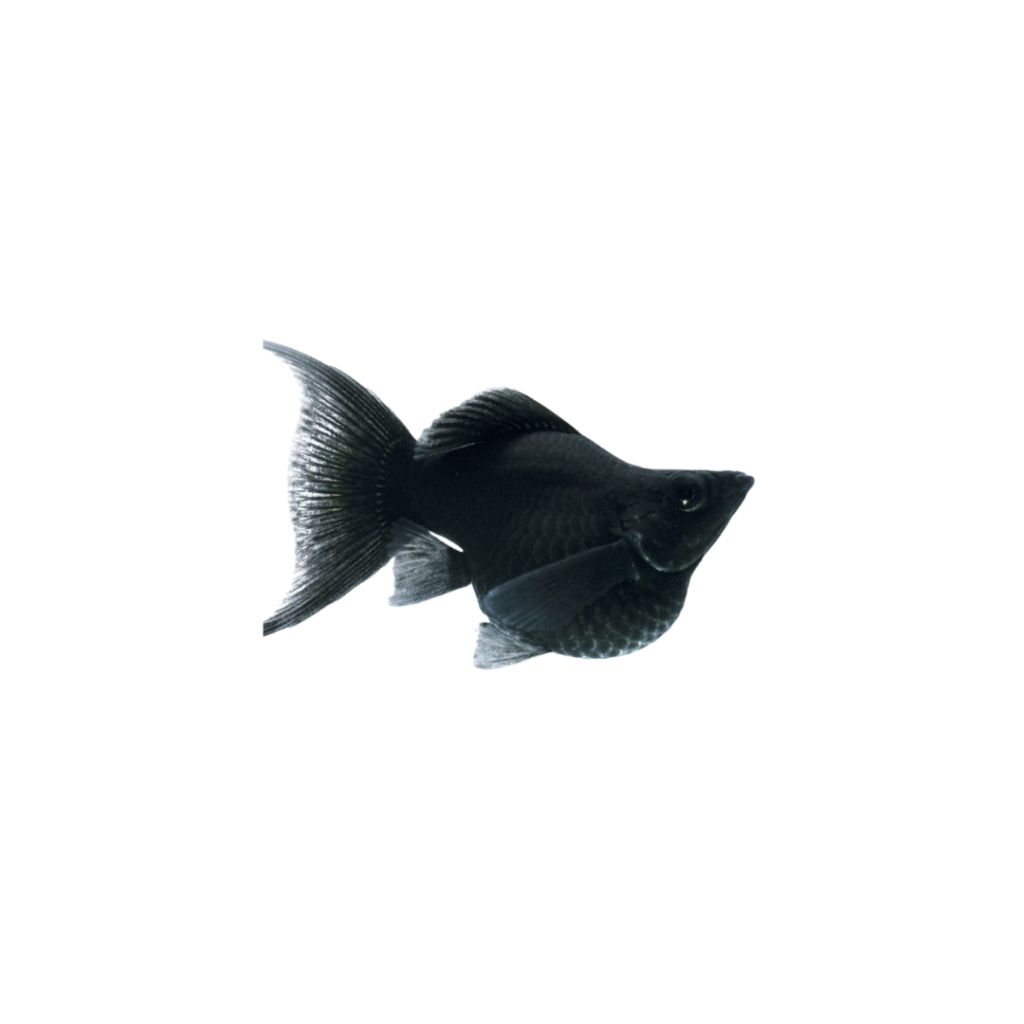
Description
The Koi Showa is one of the most revered and iconic koi varieties, prized for its dramatic color pattern and elegant appearance. Showa koi are known for their bold coloration, which features a blend of three main colors: red (hi), black (sumi), and white (shiroji). The red and black colors are typically distributed in large, vibrant patches on the koi’s body, while the white acts as a contrasting backdrop. The black markings, particularly on the back and tail, create a striking and bold contrast with the red and white areas, which is why Showa koi are often considered among the most visually striking koi.
Habitat Origin
Showa koi are part of the Cyprinus carpio species, which is native to East Asia, particularly Japan. The Showa variety was developed in Japan in the early 20th century by crossing the Sanke koi (red, white, and black koi) and the Shiro Utsuri (black-and-white koi). The goal was to create a koi with the distinctive coloration of three colors—red, black, and white—while retaining the elegance and grace of the traditional koi.
Aquarium
Ideal Number in Pond: Showa koi are social and do best in groups. However, they require ample space to swim, so make sure the pond is large enough to accommodate their size and the number of fish you plan to keep.
Favorite Food
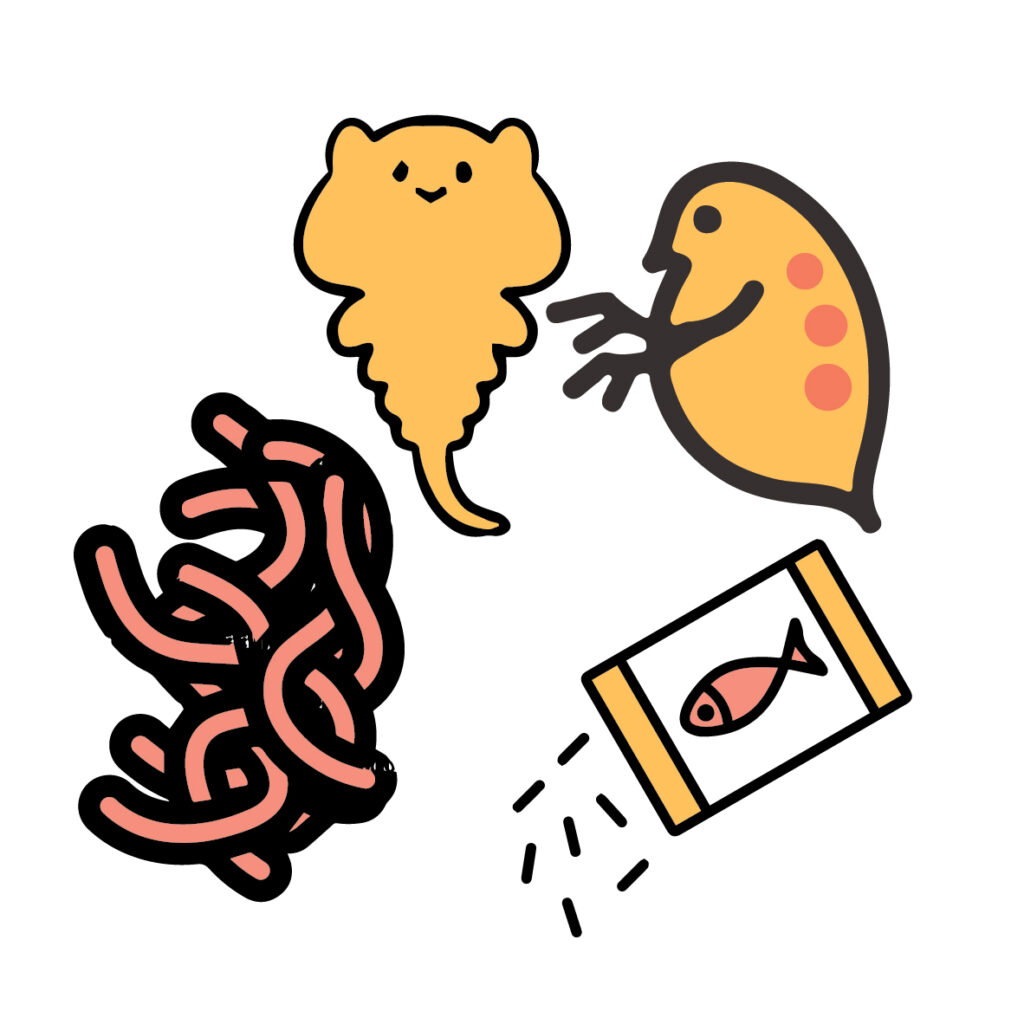
Showa koi are omnivores and enjoy a variety of foods. They can be fed high-quality koi pellets, flakes, and floating foods. They also enjoy live or frozen foods like brine shrimp, daphnia, bloodworms, and mysis shrimp. Additionally, vegetables such as blanched spinach, lettuce, peas, and zucchini can be offered to maintain a well-balanced diet. For optimal color, koi food rich in carotenoids (like spirulina) can enhance their red pigmentation.
Behavior:
Koi Showa are active and peaceful fish that thrive in groups. They are typically seen swimming gracefully in the middle and upper regions of the pond, and they enjoy exploring and foraging for food. As koi are intelligent and social, they often form bonds with other fish and may recognize their owner.
Special Care:
Koi Showa require high-quality water to maintain their health and vibrant colors. Regular water changes, good filtration, and a well-maintained pond are crucial to ensuring the koi thrive. Showa koi are sensitive to poor water conditions, and maintaining clean, well-oxygenated water will help prevent disease and enhance their coloration.
Compatibility with Other Fish:
Koi Showa are peaceful but can be territorial during breeding periods. They generally coexist well with other koi, including different varieties, as well as other peaceful pond fish, such as goldfish. However, they should not be kept with small or aggressive species that could become prey or disrupt their environment.
Breeding Tank Setup
For successful breeding, a dedicated tank or pond of at least 1000 liters (264 gallons) is essential for Koi Showa. This setup allows for controlled water parameters and protects eggs from predation. Maintain a pH of 7.0–8.0, temperature between 18–24°C during breeding season, and water hardness of 6–12 dGH. Use a strong external or canister filter alongside airstones for optimal filtration and oxygenation. Provide spawning mats, flat rocks, or submerged plants for egg adhesion, and moderate lighting with shaded areas to reduce stress during breeding.
Conditioning for Breeding
To prepare Koi Showa for breeding, offer a high-protein diet composed of quality Koi pellets, brine shrimp, daphnia, and bloodworms. Conditioning should last several weeks, supported by weekly water changes of 20–30%. Gradually increase the water temperature to around 24°C (75°F) to encourage breeding activity. Proper feeding and water management are key to developing healthy eggs and stimulating courtship behavior in males.
Spawning Process
Spawning usually occurs in spring or early summer when water temperatures exceed 18°C. Males chase and nudge females, who lay eggs on flat surfaces or vegetation. Each female can lay 200,000 to 500,000 eggs depending on size and health. After fertilization by the male, the breeders should be removed to prevent them from eating the eggs. Proper spawning surfaces like mats or aquatic plants ensure the eggs have places to adhere and develop safely.
Fry Care & Feeding
Eggs hatch within 4–7 days, with warmer temperatures accelerating the process. Once fry are free-swimming, feed them infusoria or liquid fry food, then transition to brine shrimp and finely crushed Koi pellets. Maintain clean water through 10–15% water changes every 2–3 days, using sponge filters to avoid harming the delicate fry. Stable temperatures around 24–28°C and the presence of hiding places help reduce stress and improve survival rates.
Additional Notes on Breeding
Koi Showa typically reach breeding maturity at 2–3 years. Males are more colorful and slender with longer fins, while females are larger and fuller-bodied when carrying eggs. Prevent stress by avoiding overcrowding, maintaining stable water parameters, and removing aggressive tankmates. A peaceful and clean environment is essential for successful breeding and the healthy development of both eggs and fry.